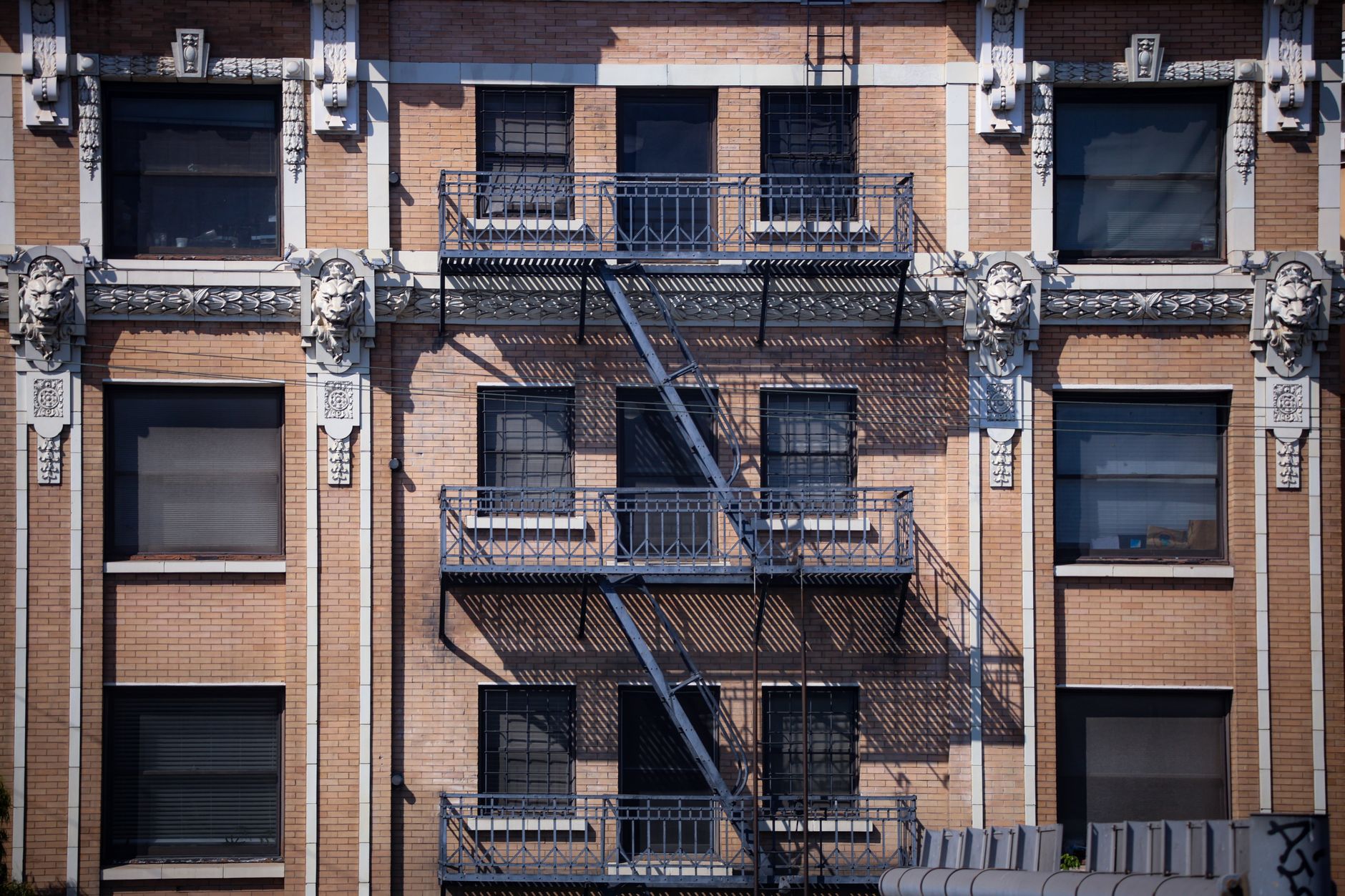
The Hollywood Fantasy Versus The Operational Reality
We all know that classic movie scene. The family lawyer sits behind a heavy mahogany desk, reads the final lines of a will, and delivers a dramatic pause. Congratulations, you now own an apartment building. The music swells. You instantly imagine a life of passive income, sipping a cold drink on a beach while rent checks magically roll into your bank account.
The operational reality is entirely different. Inheriting a multi-family property is not a sudden financial windfall. It is a second, highly demanding, full-time job. We have sat at countless kitchen tables with families who realize too late that an active apartment complex is not like a savings account. It is like inheriting a moving train. The moment the keys are handed to you, the engine is running, it is burning fuel, and you are entirely responsible for the passengers on board. You cannot just park it in your driveway and figure it out later.
This requires a massive psychological shift. You must transition overnight from holding an abstract concept of a family asset to facing the unforgiving realities of aggressive property management. You are immediately responsible for managing multiple active leases. You have to calculate and prepare for commercial property taxes. The county definitely still wants their money, regardless of the property sitting in probate.
The Invisible Carrying Costs And Deferred Maintenance
Perhaps the most daunting part of this transition is inheriting years, or even decades, of deferred maintenance. Deferred maintenance is a clinical real estate term that masks a massive financial liability. We are talking about the reality of a 1990s plumbing system that is literally one hard freeze away from destroying three units.
The physical reality quickly overwhelms people who never intended to operate as landlords. You are looking at total roof replacements on a massive scale. You face outdated electrical panels that no longer meet current city fire codes. You walk through unit interiors that have not been touched in thirty years. The asset is not sitting safely in a bank vault. It is exposed to the elements. It is occupied by people whose legal rights you are now entirely responsible for upholding.
The pipes really do not care that you are grieving a family member. They do not care that you have a demanding day job or lack commercial plumbing experience. They will burst anyway. Even if that moving train is just sitting on the tracks doing nothing, it is costing you thousands of dollars.
Managing the physical structure is only half the battle. You are also inheriting the complex human element of property management. You must navigate tenant disputes, late rent collections, and emergency maintenance calls in the middle of the night. The people living inside those units have legal rights, lease agreements, and expectations that you are now legally bound to fulfill. Navigating eviction laws or handling a tenant who simply stops paying rent requires a level of legal and operational expertise that most accidental landlords do not possess.
These invisible carrying costs add up with terrifying speed:
- Commercial property insurance premiums that adjust based on occupancy and condition.
- Municipal utilities for shared spaces and exterior lighting.
- Landscaping, trash removal, and daily exterior upkeep.
- Property management fees if you attempt to hire a third party to handle the chaos.
- Ongoing commercial property taxes that accrue daily.
This operational stress is exactly why owners of inherited multi-family complexes frequently reach a breaking point. The physical and mental toll of running the building vastly outweighs the theoretical financial benefit of holding it. Liquidating the physical asset becomes the only logical path forward.
Why The Traditional Commercial Market Is A Trap
Once the heir decides to step off the ride, their first instinct is usually to call a real estate agent and put a sign out front. Looking at the mechanics of the commercial market, a traditional listing is often walking straight into a trap.
The metrics of a traditional commercial listing are sobering. You are committing to a grueling process that targets retail investors. These buyers typically only want turnkey buildings with high modern appeal that need absolutely no structural work.
The traditional route guarantees several painful realities:
- An average timeline of 90 to 180 days just to reach the closing table.
- Losing 5% to 6% of your equity to agent commissions right off the top.
- Endless property tours that disturb your current tenants and disrupt their lives.
- A heavy reliance on commercial bank loans to fund the buyer’s purchase.
That last point is where deals go to die. Commercial banks are inherently risk-averse. Before they lend an investor a couple of million dollars, they send out a commercial appraiser and an inspector. If that inspector walks through your inherited building and notes the aging roof, the outdated electrical, and the plumbing nearing the end of its lifespan, the bank will pump the brakes.
They will either refuse to fund the loan entirely or demand that you fix all of those issues before they allow the sale to close. This puts the overwhelmed heir right back into the exact position they were trying to escape. Instead of simply selling the building, you have to act as a general contractor for a massive, multi-month renovation project just to appease a bank. While you spend two months arguing with contractors and paying for a new roof out of pocket, you are still carrying the daily cost of the property. The invisible carrying costs eat your equity alive while you wait for the buyer’s bank to finally give the green light.
The False Hope Of Auctions And Seller Financing
Many sellers realize the bank appraisal is a hurdle and look for other ways out. Public auctions and seller financing exist in the commercial space, yet you must understand the mechanics of why they operate the way they do.
Take a public auction. It bypasses the traditional bank appraisal, which sounds great on the surface. The reality is much darker.
- Auctions take 45 to 90 days just to meet the legal marketing and noticing requirements.
- They cost a steep 5% to 10% auction premium, which comes directly out of your pocket.
- They fundamentally target speculative buyers looking for heavily distressed assets.
- You are essentially advertising desperation, which drives the final sale price way down.
Seller financing sounds appealing to some heirs. You sell the building to someone, they pay you every month, and you get out of the plumbing business. This method takes 30 to 60 days to set up properly because of the complex legal underwriting involved.
Look at the legal reality of what you are actually doing. You are acting as the bank. You are legally entangled with this property and this specific buyer for the next ten to twenty years. If the new buyer defaults, you have to foreclose on them and take the building back. If your primary goal as an heir is a clean break and immediate liquidity, choosing a method that ties you to the asset for another two decades is a massive strategic error.
The Math Of A Direct Exit Strategy
The alternative that actually solves the problem is the direct-to-investor route. You skip the public market, skip the retail buyers, and go straight to professional purchasing firms or institutional funds.
The operational metrics here are wildly different. A direct-to-investor sale typically takes 14 to 30 days. There are zero agent commissions. This route is specifically built for properties that need repair or fast liquidation. Most importantly, you are entirely bypassing the commercial bank’s appraisal contingency.
Selling to a direct investor is a pure math equation. Professional buyers operate with cash or institutional backing. They do not need a bank’s permission to buy your building. They are not walking through the hallways looking at paint colors or checking to see if the landscaping is perfectly manicured. They look at hard data.
To value the property, they analyze specific financial mechanics:
- The Rent Roll: A foundational document detailing exactly who is renting which unit, how much they are paying, when their leases expire, and who is behind on rent.
- Net Operating Income (NOI): A calculation of all the revenue the property generates minus all the reasonably necessary operating expenses.
- Capitalization Rates (Cap Rates): The expected rate of return on a real estate investment, calculated by dividing the property’s net operating income by its current market value.
Local geography plays a massive role in this math. Consider active real estate markets like Bradenton, Florida. Bradenton is strategically wedged right between Tampa and Sarasota on the Gulf Coast. When direct buyers look at a market like that, they see strong regional population growth and consistent seasonal tourism. They see a highly diverse demographic of active renters, from young working professionals wanting commuter access to Tampa, to retirees looking for accessible Gulf Coast living.
A diverse renter pool makes an inherited building incredibly valuable to a direct buyer because it reduces their risk. It stabilizes the rent roll. If an investor buys your building and two young professionals move out, they know a massive pool of retirees or seasonal workers is ready to move in. That geographic demand guarantees the building will not just sit empty. It stabilizes the NOI.
The moment you inherit a multi-family property, you are no longer just a grieving family member; you are the CEO of an active, vulnerable business. Your greatest asset is the speed at which you can recognize that reality and step off the tracks.
Because the buyer understands the specific local zoning, the neighborhood valuations, and the demographic demand, they know exactly how to optimize that property once they take over. They do the math, look at the demographics, and make an offer. Because they operate with institutional cash, they typically cover all the standard title and closing costs.
This fundamentally changes your net return. When you sell directly, the initial offer you receive is the exact financial amount you walk away with at the closing table. There are no surprise commissions eating into your equity. There are no sudden demands from a bank to replace a massive roof before closing. By removing the middleman, you retain a larger percentage of your built-up equity.
Equally important, you are stopping the clock on those carrying costs. Getting out in a few short weeks means you are not paying half a year of property taxes and insurance while waiting for a retail buyer’s loan to get approved. You stop the financial bleeding and shift the deferred maintenance liability onto someone who actually has the infrastructure to handle it. If you are ready to review your options and run the numbers on your inherited property, we are here to help you talk it through.